
A playful exploration of midlife angst, identity crisis, and a journey toward self-discovery in a foreign land.
There are some songs that, the moment the very first notes dance out of the speakers, transport you instantly back to a specific time and feeling. For many of us, the opening bassline and that jaunty, infectious pennywhistle solo of Paul Simon’s “You Can Call Me Al” is a direct portal to the vibrant, world-changing sound of 1986. It wasn’t just a hit; it was the exuberant herald of a masterpiece, the first single released from his groundbreaking and controversial album, Graceland.
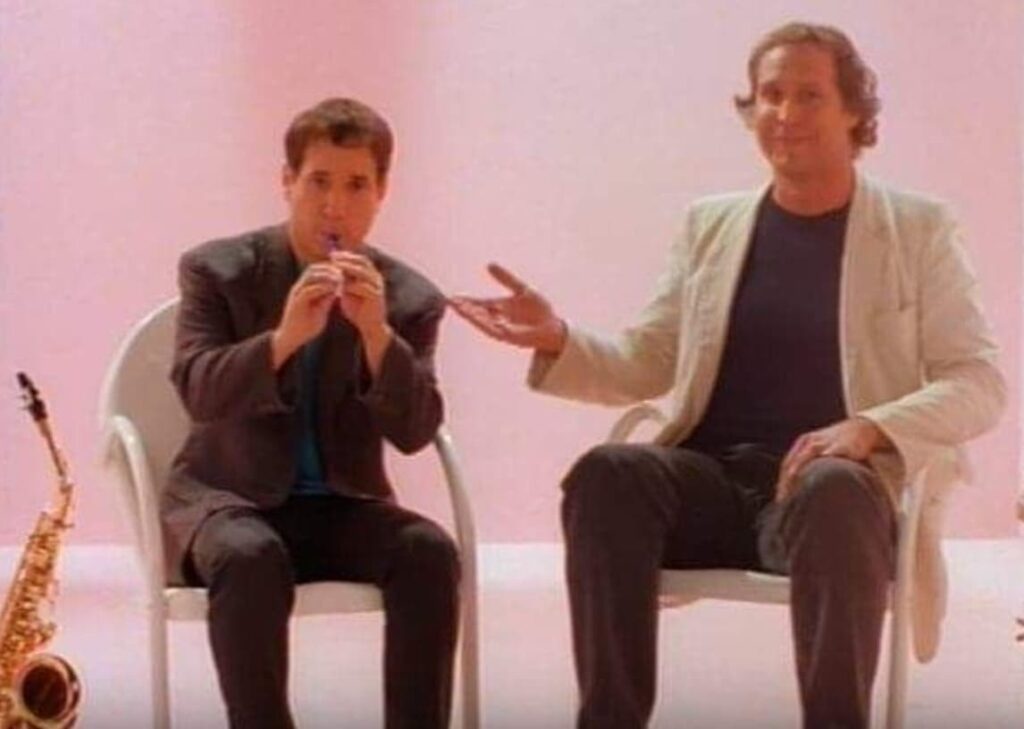
The single’s commercial success mirrored the joy of its sound, reaching a peak position of No. 4 on the Official UK Singles Chart, where it first charted on September 6, 1986. While it took a longer, split chart run in the United States, it eventually climbed to a peak of No. 23 on the US Billboard Hot 100 in 1987, after a second push spurred by the album’s massive success and the unforgettable, hilarious music video starring Chevy Chase.
The story behind the title itself is a brilliant piece of lyrical whimsy born from real-life confusion. The “Al” and “Betty” names that make up the iconic chorus sprang from a long-ago party hosted by Paul Simon and his then-wife, Peggy Harper. The acclaimed French composer and conductor, Pierre Boulez, upon departing, politely but mistakenly bid farewell to Simon as “Al” and to his wife as “Betty.” This simple, charming misunderstanding laid the foundation for the song’s famously enigmatic refrain: “I can call you Betty, and Betty, when you call me, you can call me Al.”
Yet, the song’s meaning delves far deeper than a cute anecdote. Simon crafted the lyrics as a profound, playful meditation on the anxieties of aging and the universal disorientation of a midlife crisis. The first verses paint a witty, weary picture of a man questioning his life: “Why am I soft in the middle, now? Why am I soft in the middle? The rest of my life is so hard.” It’s a relatable snapshot of insecurity, the fear of fading relevance (“Don’t want to end up a cartoon, in a cartoon graveyard“), and the search for guidance in a bewildering world (“Who’ll be my role model, now that my role model is gone?“).
As the song progresses, however, its perspective shifts, mirroring Simon’s own revolutionary journey in 1985. The third verse moves beyond the generic suburban malaise to embrace the autobiographical experience that shaped the entire Graceland project: his trip to South Africa. The protagonist finds himself in a “strange world,” a “foreign man” surrounded by new, exhilarating, and sometimes chaotic sights and sounds—”Cattle in the marketplace, scatterings and orphanages.” It is in this foreign land, surrounded by a profoundly different culture and its magnificent music, that the self-obsessed man begins to awaken, seeing “angels in the architecture, spinning in infinity.” Simon himself explained that the song becomes “the story of somebody like me, who goes to Africa with no idea and ends up having an extraordinary spiritual experience.”
This blend of sharp, introspective lyrics with the explosive, joy-filled sounds of South African Mbaqanga music—featuring the distinctive bass work of Bakithi Kumalo and the spirited whistle of Morris Goldberg—is precisely what makes “You Can Call Me Al” such a landmark. It wasn’t just a catchy single; it was the sound of a legendary artist being reborn, courageously defying a cultural boycott to make music with oppressed but brilliant musicians, introducing a vibrant new world of sound to the West, and in the process, finding a renewed sense of purpose and a fresh musical identity. It’s a song that proves the most deeply personal crises can lead to the most joyous, universally loved art.