
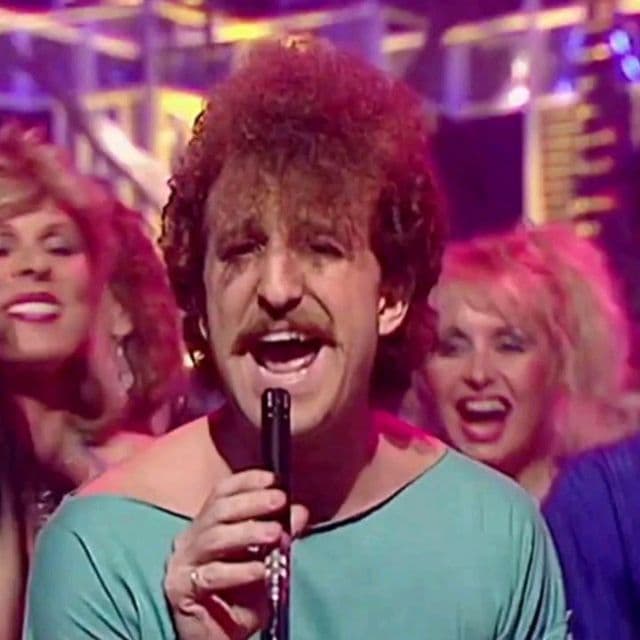
An infectious, reggae-infused anthem of resilience, proving that nobody’s gonna slow you down on the road to your dreams.
Ah, the 1980s. What a time to be alive, or at least, to be listening. The airwaves were bursting with a dizzying mix of new wave synths, rock guitars, and a fresh wave of pop that often hid surprisingly thoughtful lyrics beneath its glossy, upbeat facade. It was into this colorful, often frantic musical landscape that a certain song bounced its way onto the charts, an indelible earworm with a rhythm that felt utterly unstoppable. That song was “Break My Stride” by Matthew Wilder, and for those of us who remember it hitting the radio, it’s a pure shot of nostalgic energy.
Released in 1983 as the lead single from Wilder’s debut album, I Don’t Speak the Language, “Break My Stride” was a genuine global success. In the United States, the single peaked at a respectable number five on the Billboard Hot 100 in early 1984, but its success was even more pronounced elsewhere. Across the pond, it hit number four on the UK Singles Chart and soared to number one in countries like Austria and New Zealand. It reached number two on the Cashbox chart, firmly establishing itself as a quintessential piece of ’80s pop.
What’s truly fascinating about this track, and what gives it a deep, resonant meaning for those who know the backstory, is that it’s not just a buoyant tune about a fictional bad relationship, as the surface lyrics might suggest (“Last night I walked into the room / I saw my woman and a man…“). Instead, “Break My Stride” is an intensely personal declaration of independence—a musical middle finger to the suffocating pressures of the music industry itself. Matthew Wilder, having been signed to Arista Records by the legendary Clive Davis, was struggling. The label and its producers couldn’t quite figure out his sound, leaving him feeling frustrated, poor, and marginalized.
The sheer determination we hear in the chorus, that defiant promise that “nobody’s gonna slow me down,” wasn’t aimed at an unfaithful lover, but at the corporate behemoths trying to box him in. When his own recordings weren’t cutting it with the label, Wilder took matters into his own hands, self-financing a new session in the early hours of the morning at the studio of producer Spencer Proffer. This gritty, do-it-yourself effort is the sound of a man fighting for his artistic life. The very existence of the song is an act of rebellion, a testament to the belief in one’s own vision.
Musically, the song is a perfect blend of genres that defined the decade: it’s primarily synth-pop and new wave, yet it incorporates an unmistakable, playful reggae bass line and rhythm, giving it that unusual, captivating lilt. The mix of synthesized instruments (notably the Prophet-5) with a live-sounding, driving beat gives it a raw edge that contrasts with the polished feel of many ’80s tracks. For a generation of listeners, the opening keyboard riff and those distinctively high, almost-falsetto vocals are instantly recognizable—a Pavlovian bell for that sweet, reckless abandon of our younger days. It’s a reminder that even when the world is telling you to stop, you have the power to keep on walking, keep on sailing, and refuse to let anyone or anything break your stride. It’s not just a song; it’s a personal mantra wrapped in a vibrant, unforgettable 80s groove.