
Bobby Sherman’s “Little Woman” Remains a Defining Sound of 1969 Pop
In 1969, Bobby Sherman reached a major turning point in his career with the release of “Little Woman,” a bright and melodic pop single that quickly became one of the defining teen hits of its era. Released through Metromedia Records, the song climbed to No. 3 on the U.S. Billboard Hot 100 and reached No. 1 on the Cash Box Top 100, confirming Sherman’s emergence as one of the most recognizable young stars of the late 1960s.
Written by songwriter Danny Janssen, “Little Woman” combined polished pop production with an easygoing romantic charm that fit perfectly with the musical atmosphere of the time. The recording featured an impressive group of session musicians whose experience helped shape the song’s warm and radio friendly sound. Among them were legendary guitarist James Burton, pianist Don Randi, bassist Jerry Scheff, drummer Jim Gordon, and saxophonist Jim Horn. Their contributions gave the track a rich arrangement filled with vibrant brass, smooth rhythm sections, and elegant orchestral touches.
The song also found strong international success. In Canada, it reached No. 2 on the RPM charts, while in New Zealand it climbed to No. 5. The commercial performance of “Little Woman” earned Sherman his first gold record in the United States, beginning a run of successful releases that would define his recording career in the early 1970s.
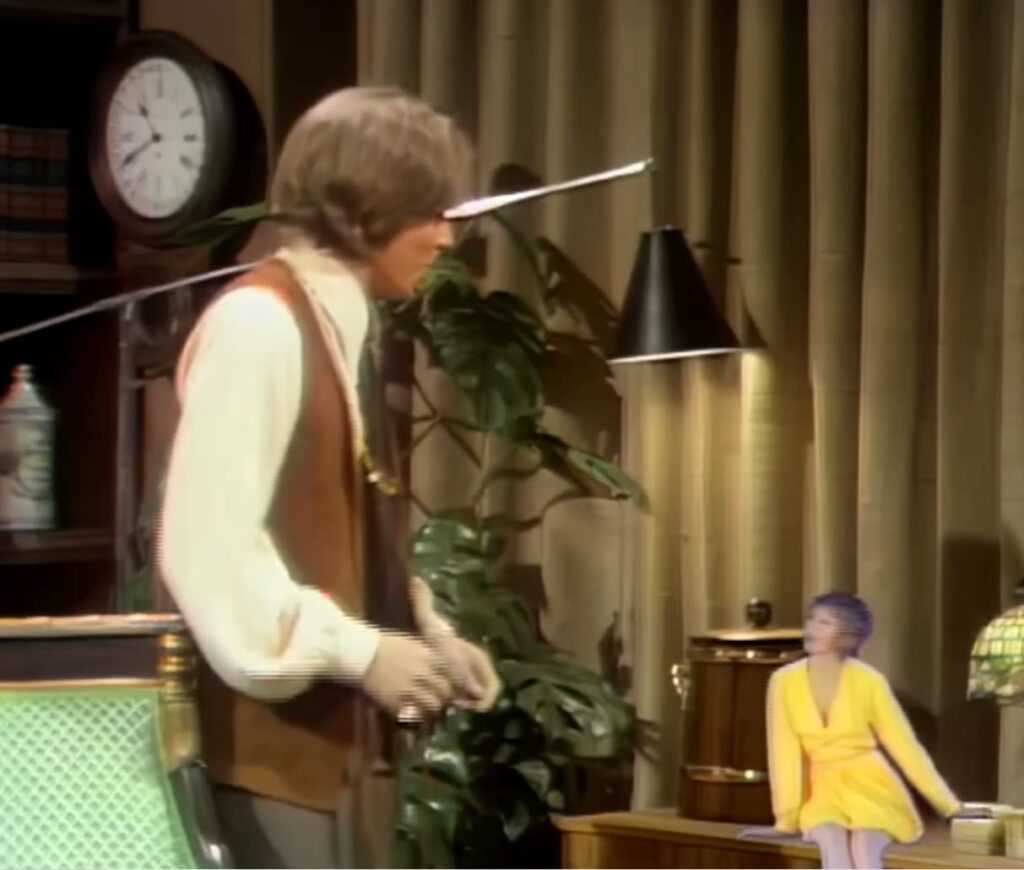
An AI remastered version of the original promotional video has helped bring renewed attention to the song decades later. Enhanced with high quality stereo sound and improved visuals, the restored clip highlights the youthful energy and polished production style that made Sherman such an important figure in late 1960s pop culture. The remaster preserves the nostalgic atmosphere of the era while allowing modern audiences to appreciate the musical craftsmanship behind the recording with greater clarity.
More than half a century after its release, “Little Woman” still captures the innocence and optimism of classic pop music at the end of the 1960s. Its memorable melody, carefully arranged instrumentation, and sincere vocal performance continue to give the song a timeless appeal that has endured across generations.