
Silver Threads and Golden Needles — where heartache outshines all the gold in the world
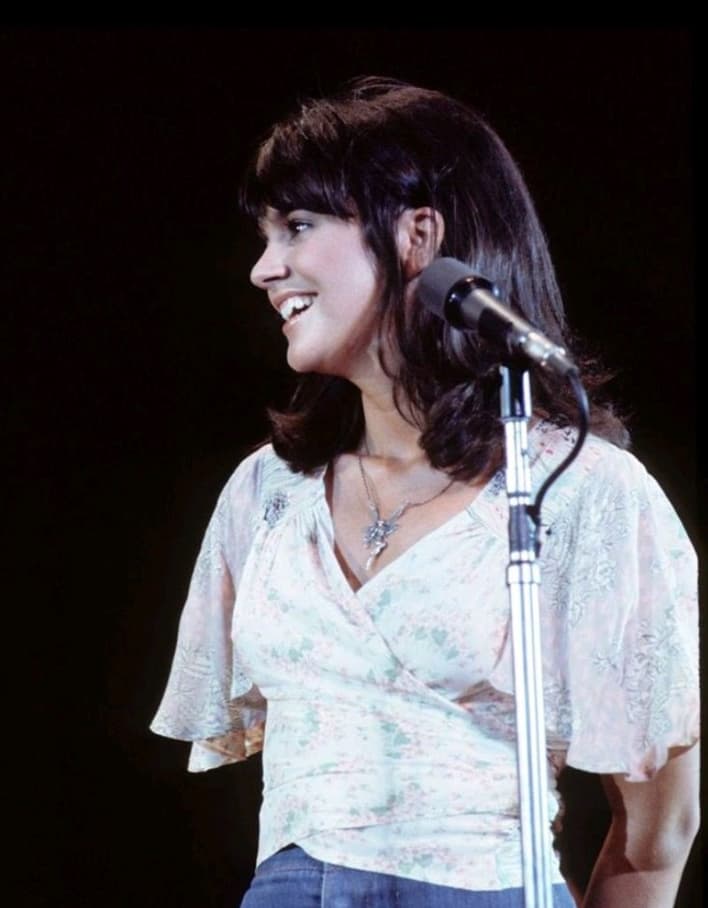
There is a timeless ache that rises the moment “Silver Threads and Golden Needles” begins — a quiet, familiar sorrow woven from disappointment, dignity, and the painful understanding that no amount of wealth can mend a breaking heart. In the hands of Linda Ronstadt, the song becomes more than a country-rock standard; it becomes a confession whispered from someone who has lived long enough to know exactly what love can give, and what it can take away.
Important details to begin with:
- The song was written in the mid-1950s by Dick Reynolds and Jack Rhodes.
- Its first known recording was by Wanda Jackson in 1956.
- Linda Ronstadt recorded it twice: first in 1969 for Hand Sown… Home Grown, then again in 1973 for Don’t Cry Now.
- The 1973 version became the best-known one, charting at #20 on the U.S. Country chart and #67 on the Billboard Hot 100.
What makes Ronstadt’s interpretation unforgettable is not merely the beauty of her voice, but the emotional honesty she pours into every syllable. There is no pleading, no theatrical heartbreak — only the calm, weary wisdom of someone who has learned that even the finest “golden needles” cannot stitch a shattered heart back together.
Her vocal delivery carries a kind of defiant tenderness. She stands firm, rejecting the idea that comfort can be bought, or that affection wrapped in luxury carries any meaning. When she sings “You can’t buy my love with money,” there’s no anger — only the unmistakable strength of a woman choosing her dignity over illusions.
The period in which Ronstadt revisited the song is worth noting. By the early 1970s she was carving her own space in the emerging country-rock scene, surrounded by musicians who valued raw truth over polish. This environment allowed her to express a deeper, more grounded emotional palette than in her early folk-pop years. The 1973 arrangement — warm guitars, steady rhythms, and a touch of mournful steel — frames her voice like a photograph tinted with sepia, soft but unwavering.
What listeners remember most, though, is the feeling. The song evokes a time when heartache wasn’t spoken loudly, but quietly endured. A time when love was not a performance, but a promise — and when broken promises left scars that lingered long after the music stopped. The song is filled with the bittersweet beauty of someone looking back at their life not with regret, but with acknowledgment. With the kind of understanding that comes only from living through disappointment and still preserving a gentle, steady heart.
For many who know Ronstadt’s work, “Silver Threads and Golden Needles” is not just another recording — it is a mirror. It reflects the compromises we’ve made, the illusions we’ve shed, and the truths we’ve held close even when they hurt. It speaks to those moments when we realized that affection wrapped in glitter is still hollow; that true love must be felt, not purchased.
Even now, decades later, the song remains a quiet companion for listeners who have weathered life’s storms. It does not promise healing. It does not offer easy comfort. Instead, it stands beside you in the dim light of memory, reminding you that heartache — honest, unadorned heartache — is part of being human.