
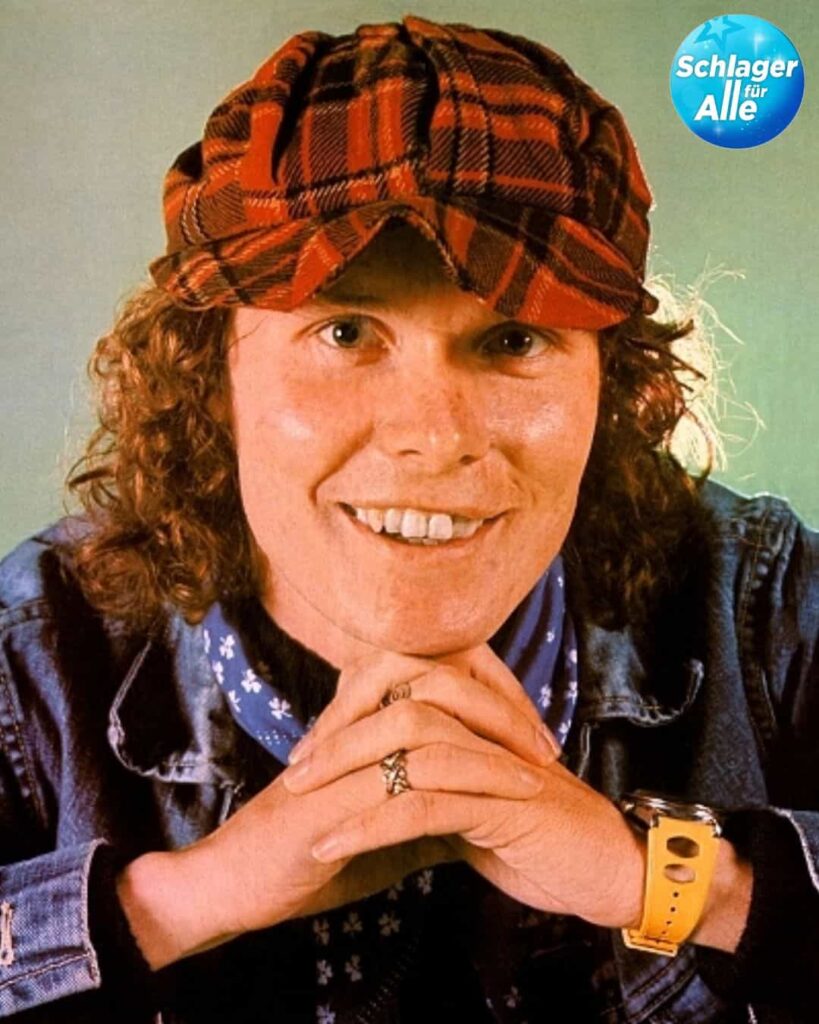
Moviestar — a playful illusion of fame, desire, and the fragile dream of becoming someone else
When “Moviestar” by Harpo first drifted across European airwaves in 1975, it sounded light, almost whimsical — a catchy melody wrapped in innocence. Yet beneath that breezy surface lay a quietly perceptive reflection on fame, fantasy, and the longing to be seen. It was a song that smiled as it sang, but thought deeply as it smiled.
Key facts placed upfront:
Released in late 1975, “Moviestar” became Harpo’s signature song and his greatest commercial success. In early 1976, it reached No. 1 on the singles charts in Sweden and West Germany, while also becoming a major hit across much of continental Europe, including strong chart performances in Austria, Switzerland, and the Netherlands. In the United Kingdom, the song peaked at No. 24, a modest placing that nevertheless introduced Harpo to a wider international audience. Though it did not chart in the United States, its cultural footprint in Europe was undeniable and enduring.
At the center of this moment stood Harpo, born Jan Torsten Svensson — a Swedish singer, songwriter, and actor who had already been working quietly in music and theater before the song changed everything. Unlike many pop stars of the era, Harpo did not project bravado or excess. His persona was gentle, slightly eccentric, almost shy. And it was precisely this understated quality that gave “Moviestar” its charm.
The song tells a simple story: a narrator gazes at a glamorous woman, imagining her as a film star — beautiful, distant, and larger than life. But what elevates the song beyond novelty is its subtle awareness that this image is an illusion. The lyrics are filled with daydreams rather than declarations, admiration rather than possession. Fame here is not power; it is projection. The “movie star” exists as much in the observer’s imagination as in reality.
Musically, “Moviestar” sits comfortably within the soft pop landscape of the mid-1970s. Its gentle acoustic guitar, relaxed tempo, and almost childlike melody invite listeners in rather than overwhelm them. Harpo’s vocal delivery is conversational, warm, and unforced — as if he is sharing a private thought rather than performing for a crowd. This intimacy is central to the song’s lasting appeal.
Yet the deeper meaning reveals itself with time. For listeners who have lived long enough to watch dreams shift and expectations soften, “Moviestar” feels less like a love song and more like a meditation on longing itself. The narrator does not truly know the woman he sings about — just as most of us never truly know the dreams we chase. Fame, beauty, success: they shimmer from a distance, but up close they are often ordinary, fragile, human.
Ironically, the song about imagined stardom turned Harpo into one himself — if only briefly. After “Moviestar,” he never repeated the same level of chart success, a fact that lends the song an almost poetic afterlife. Harpo would later step away from the commercial pop spotlight, choosing a quieter artistic path that included children’s music, theater, and personal creative freedom. In hindsight, it feels fitting. The man who sang about illusion never fully surrendered to it.
For many listeners today, hearing “Moviestar” is like opening an old photo album. It recalls a time when pop music could be gentle, reflective, and slightly ironic without losing its warmth. It reminds us of afternoons spent listening to the radio, of youthful dreams that once felt just within reach, and of the realization — slowly learned — that not all dreams are meant to be lived. Some are meant simply to be imagined.
And perhaps that is the quiet wisdom of “Moviestar.” It doesn’t mock the dream of fame, nor does it glorify it. Instead, it lets the dream exist for a few minutes, bathed in melody, before allowing it to fade naturally — like the end of a film, when the lights come up and we return to our seats, carrying with us the feeling of what we almost were.