
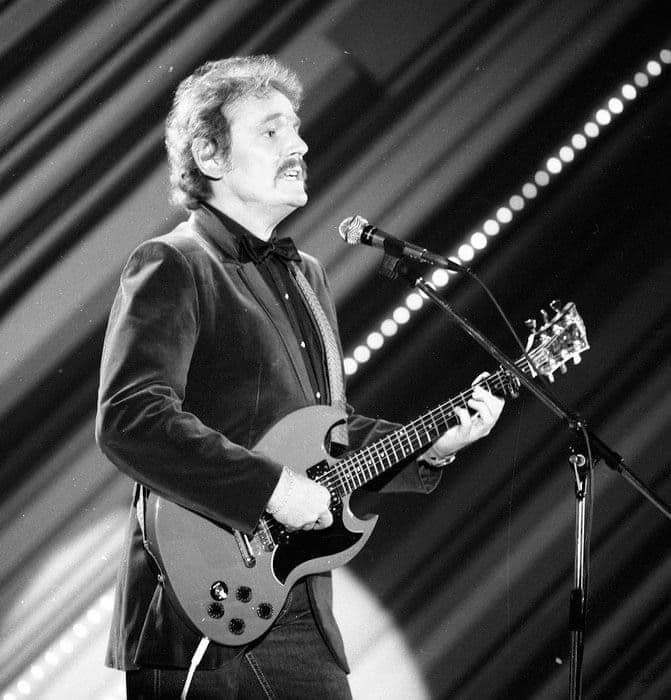
A Gentle Yearning: The Way I Feel by Gordon Lightfoot
When I listen to “The Way I Feel”, I hear not only a song but a soft breath of memory—an intimate whisper from a time when music spoke with simplicity, honesty, and a tender kind of sorrow. It is a piece that settles gently into the heart, reminding us of those quiet moments in life when love slips away like a bird taking flight.
Chart Position & Release
“The Way I Feel” was released in 1967 as the title track of Gordon Lightfoot’s second studio album, The Way I Feel. The single reached number 36 on the Canadian RPM chart upon release. Though it did not break strongly into U.S. or U.K. pop charts, it quietly established itself as one of Lightfoot’s most cherished early compositions—a song that listeners return to not because of commercial success, but because of the way it makes them feel.
From its first gentle notes, the song carries the unmistakable imprint of Lightfoot’s early craftsmanship: poetic imagery, understated guitar work, and a warm, reflective tone. Here, Lightfoot compares his emotions to a robin whose nest has emptied, and to a tall oak tree left alone after the birds have flown. These images are simple but deeply resonant, capturing the ache of loving someone who must move on, the quiet resilience of standing alone after offering shelter and care.
The Story Behind the Song
Lightfoot recorded “The Way I Feel” twice—first for the original 1967 album, and later for his celebrated 1975 collection Gord’s Gold. He often said he preferred the sincerity of the earlier version, noting that the song was written from a place of reflection rather than personal heartbreak. That is perhaps why it speaks universally: it is a portrait of imagined loneliness, a story painted in gentle tones rather than raw confession.
The recording sessions for the original album took place in Nashville, with a talented group of musicians who helped shape the warm, organic sound that defined Lightfoot’s early career. The arrangements are simple yet beautifully textured, allowing his lyrics and voice to remain at the center—calm, steady, and full of quiet wisdom.
Meaning and Significance
At its core, “The Way I Feel” is a meditation on impermanence. Love nurtures, shelters, and gives warmth, but it must also allow freedom. The robin’s flight becomes a metaphor for the inevitability of change—of children growing, lovers parting, or time simply carrying things forward. The oak tree stands as the listener stands: strong, patient, remembering what once was.
In one of the song’s most tender moments, Lightfoot sings of wishing he had wings to follow the one who has left, if only they would wait. It is a line full of longing, but also of acceptance. The song has no bitterness—only wistfulness, like watching the last light fade from an autumn sky.
Legacy and Influence
While never a major hit, the song became a quiet standard among Lightfoot admirers. Fellow musicians, including members of the band Rush, have honored it with respectful renditions. Lightfoot himself revisited it years later, reaffirming its place among the pieces that shaped his early artistic identity. To him, it was always a song about being “a little lonely” and “a little wistful”—feelings most listeners know all too well.
Emotional Resonance for a Mature Listener
For someone who has lived through seasons of love, change, and reflection, “The Way I Feel” strikes a familiar chord. It brings back memories of people once held close, of moments that slipped quietly into the past, and of the silent strength it takes to continue on. Lightfoot’s voice doesn’t dramatize or demand; it simply acknowledges the universal truth that to love deeply is sometimes to let go.