
Amarillo by Morning: A Drifter’s Testament of Endurance and Grit
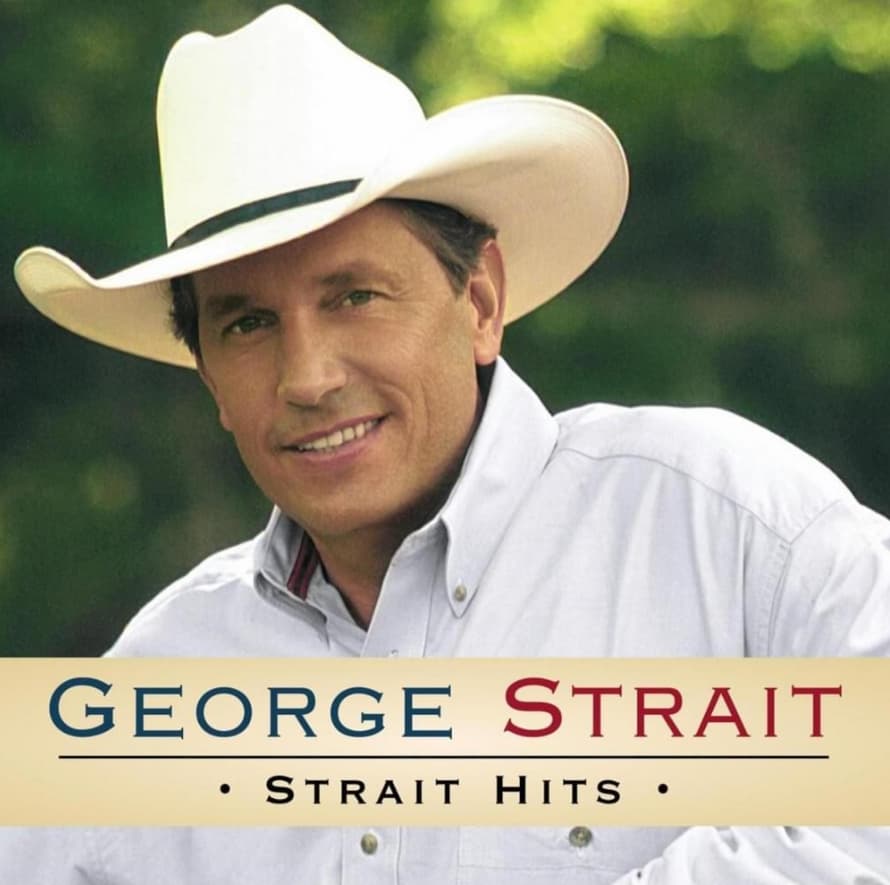
For those of us who came of age with a radio dial tuned to the sounds of steel guitars and heartfelt stories, there are certain songs that aren’t just melodies—they’re landmarks. They mark moments in our lives, evoking the dust of a long road, the ache of a broken heart, and the unwavering spirit that gets you out of bed each day. “Amarillo by Morning,” performed by the inimitable George Strait, is one such song, a timeless masterpiece that has transcended its country roots to become a true American classic. It’s a ballad that speaks to the weary soul, a promise whispered against the odds.
While it’s a song forever tied to the “King of Country,” the story of “Amarillo by Morning” actually begins a decade earlier. The track was penned in 1973 by songwriters Terry Stafford and Paul Fraser, with Stafford himself recording the original version. His take, while charting at No. 31 on the Billboard Hot Country Songs chart, had a more country-pop feel. It was a good song, but it needed something more—something raw and authentic. That something was George Strait.
Strait‘s version was released in 1983 as the third single from his second studio album, “Strait from the Heart.” At a time when country music was flirting with a more polished “Urban Cowboy” sound, Strait doubled down on tradition. With its prominent fiddle and steel guitar, his rendition was a throwback to the Western swing and classic country that had long defined the genre. This commitment to the roots of country music would become Strait’s signature and would ultimately make him a superstar.
Despite its enduring fame, “Amarillo by Morning” never actually reached the coveted No. 1 spot on the charts. It peaked at an impressive but slightly surprising No. 4 on the Billboard Hot Country Songs chart. However, its chart position is a mere footnote to its legacy. The song’s resonance grew steadily over time, becoming one of Strait’s most recognizable and beloved hits. It’s a song that speaks to a universal truth: the courage to keep going, even when life has dealt you a series of brutal blows.
The meaning behind the song is a poignant reflection on the life of a rodeo cowboy—a life of perpetual motion, physical pain, and emotional sacrifice. The narrator lists his misfortunes as if they were a series of unfortunate souvenirs: a saddle lost in Houston, a broken leg in Santa Fe, and the ultimate casualty, a lost wife and girlfriend. Yet, for all the hardships and the financial destitution—he “ain’t got a dime”—there is no regret. His identity is intertwined with the rodeo, with the promise of “looking for eight when they pull that gate.” It’s a powerful declaration of freedom and purpose, a testament to a life lived on one’s own terms, no matter the cost. It’s a song for anyone who has ever felt the weight of the world on their shoulders but refused to give in. It’s a song that says, “I’m coming home, battered and bruised, but I’m coming home.”