
A Nostalgic Plea for Tender Hearts
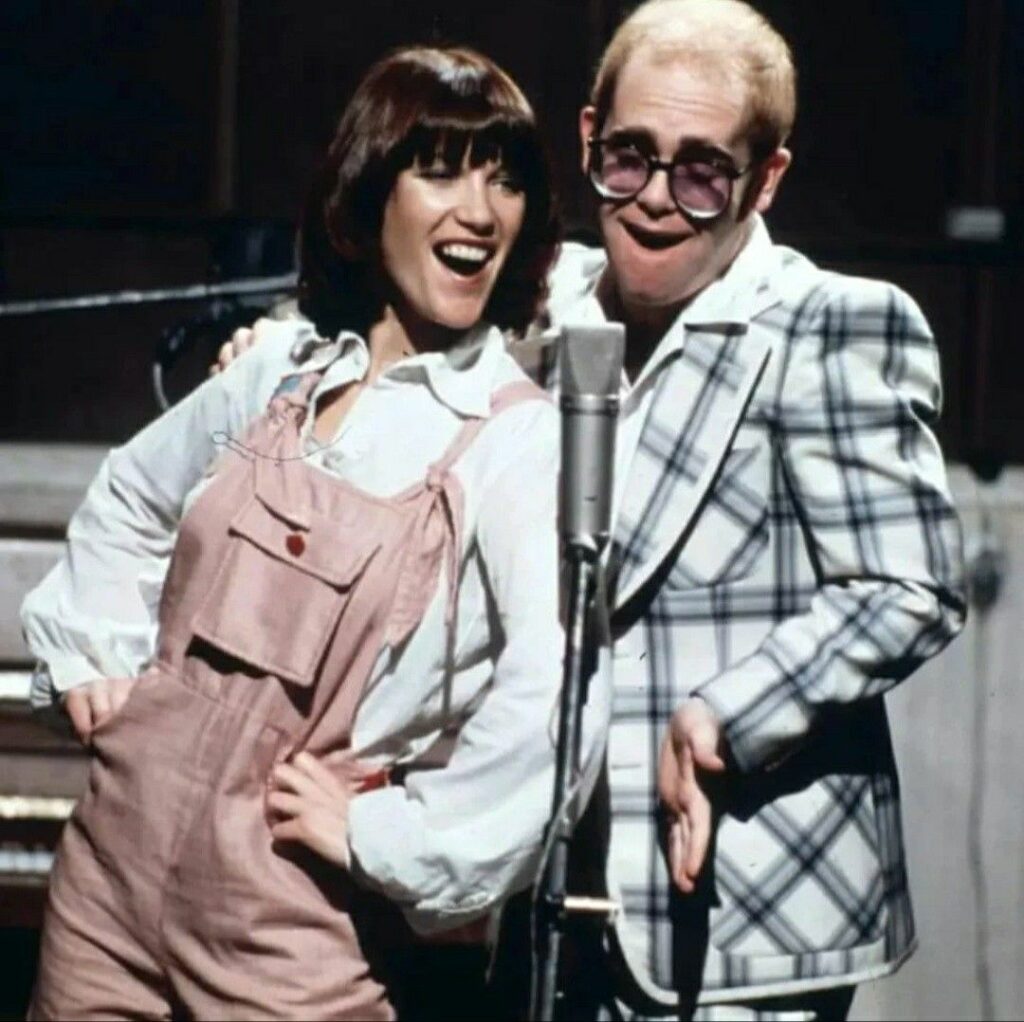
“Don’t Go Breaking My Heart” captures the timeless vulnerability of love — a duet at once playful and deeply sincere, where two voices promise not to wound what matters most.
When Elton John and Kiki Dee released “Don’t Go Breaking My Heart” in the summer of 1976, it became one of those songs that seemed to hang in the air, like warm sunlight in a memory. It wasn’t just a hit — it soared to No. 1 on both sides of the Atlantic, staying at the top of the UK Singles Chart for six weeks. In the U.S., it also claimed the top of the Billboard Hot 100 for four weeks. By the end of 1976, it stood as the No. 2 song of the year on Billboard’s year-end chart.
The Story Behind the Song
This duet didn’t emerge in the usual way. The backing tracks were laid down in Toronto, after Elton had wrapped up his Blue Moves sessions. Elton himself came up with the melody first — and, curiously, the iconic lyric line “Don’t go breaking my heart” was almost an improvisation in the studio. Producer Gus Dudgeon recalled Elton singing that phrase over and over when there were no proper lyrics yet.
Bernie Taupin, Elton’s longtime lyricist, was later called in to write around that repeated phrase — but under a pseudonym. In fact, Elton and Bernie credited the song to Ann Orson and Carte Blanche, a playful alias they used for a few songs. The names themselves were a kind of wordplay and inside joke: “Ann Orson and Carte Blanche” sounds like “a horse and cart,” and “Carte Blanche” referenced a credit‑card company at the time.
Recording became a joyful collaboration. Elton and Kiki were close — only about three weeks apart in age — and shared a deep respect for the Motown duets that shaped their musical youth. That influence rings clearly in the song’s soulful arrangement, especially the lush orchestral strings. The middle section features a full orchestra — 12 violins, 4 violas, and 4 cellos — all arranged by James Newton Howard, who was relatively new in Elton’s band then.
Kiki Dee’s vocals were layered in London after Elton’s band had recorded in Toronto. She later recalled receiving a tape of Elton’s demo, singing it in a higher register to match his part, and working hard to imbue her voice with the right spirit and confidence.
Why the Song Still Resonates
At its heart, “Don’t Go Breaking My Heart” is a conversation — a tender, hopeful dialogue between two people who care deeply but also fear hurting each other. The lyrics speak to vulnerability: “I couldn’t if I tried” — that raw line is an admission of emotional risk, a plea not to be wounded. Their voices dance around each other in a way that feels both intimate and lighthearted, capturing the tension between joy and fragility.
Musically, the song blends a catchy pop melody with Motown-inspired orchestration, giving it a classic but also timeless feel. Elton’s piano anchors the tune, while the strings lend sweeping emotional weight. That arrangement by James Newton Howard, done “the old-fashioned way” on paper before being orchestrated, gives the song a richness that still makes it sound grand decades later.
The Human Significance
For Kiki Dee, the success of this duet meant more than chart glory. Although she had already been signed to Elton’s Rocket Records label and had some success, this song lifted her recognition to a new level. Elton even gave her a small gold heart necklace engraved “Don’t go breaking my heart” — a sweet, personal token of their connection.
For Elton, it marked a special collaboration — and his first No. 1 single in the UK, a milestone that adds a nostalgic glow when you think of his storied career.
The track’s enduring appeal is also rooted in how universally relatable its message remains. Love is always a delicate balance, especially when there’s history, hope, or fear involved. This is not just a duet; it’s a gentle vow, an invitation to trust, and the acknowledgment that hearts are fragile things.
When older listeners hear “Don’t Go Breaking My Heart”, it can feel like hearing an old friend’s voice again — warm, familiar, and honest. In the flicker of record-player glow or the hum of a radio dial, the song takes you back to a simpler moment, but its emotional truth stays evergreen. For many, it’s a reminder that love, in its most honest form, always carries a little risk — but also a promise worth cherishing.