
A Heartbreaking Ballad of Love, Loss, and the Futility of War.
Released in 1974, this poignant ballad quickly climbed the charts, reaching the coveted number one spot on the Billboard Hot 100 on June 1, 1974, and spending two weeks there. It also hit number one in Canada and New Zealand, demonstrating its widespread appeal. The song tells a tragic story of a young man named Billy who enlists in the army, leaving behind his sweetheart. Despite her desperate pleas – “Billy, don’t be a hero, don’t be a fool with your life” – he goes off to war, only to meet a tragic end. The song’s narrative unfolds with a gut-wrenching simplicity, painting a vivid picture of love, fear, and the ultimate sacrifice.
The story is told from the perspective of Billy’s fiancée, her desperate plea to keep her love safe, her heart breaking as he leaves. The chorus, a haunting refrain of “Billy, don’t be a hero,” underscores the futility of war and the devastating impact it has on loved ones left behind. It’s a universal message that transcends time and resonates with anyone who has experienced the pain of separation and loss. The song’s powerful narrative, combined with the group’s distinct vocal harmonies, created a truly unforgettable listening experience.
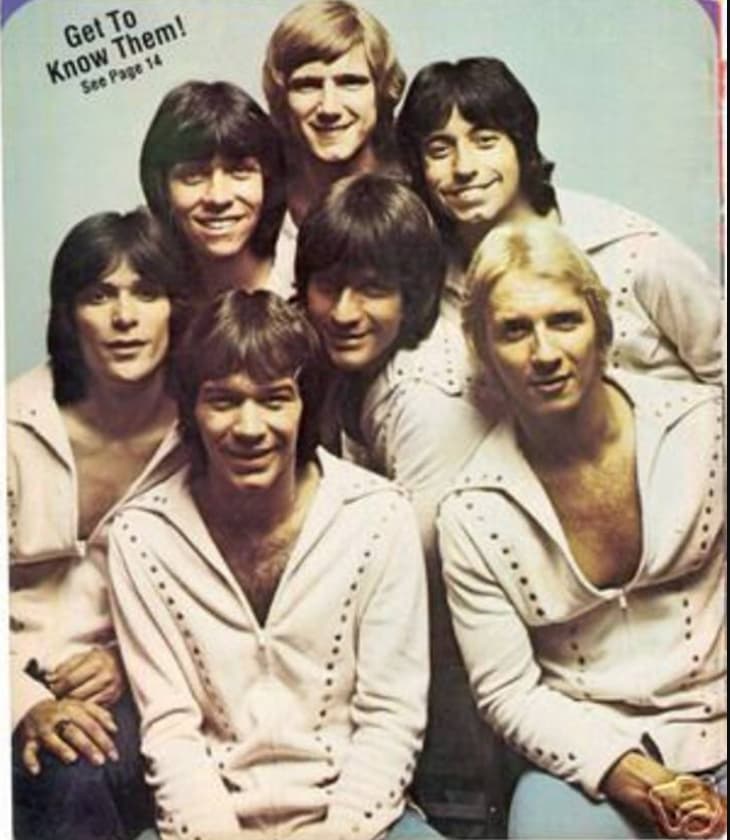
Bo Donaldson & The Heywoods, although often labeled a one-hit wonder, captured a specific moment in time with “Billy, Don’t Be a Hero”. While they had other songs, this particular track struck a chord with the public in a way few others did. The song’s success can be attributed to several factors. Firstly, the Vietnam War was still fresh in the minds of many Americans. The song’s anti-war sentiment resonated with a nation weary of conflict and loss. It wasn’t a protest song in the traditional sense, but rather a personal story that reflected the larger tragedy of war. It spoke to the fear and anxiety felt by families with loved ones serving overseas.
Secondly, the song’s melody is undeniably catchy and memorable. The simple yet effective arrangement, combined with the heartfelt vocals, creates an emotional connection with the listener. The female backing vocals, echoing the plea “Billy, don’t be a hero,” add a layer of haunting beauty to the song. It’s a melody that lingers in the mind long after the song has ended, a testament to its enduring power.
It’s worth noting that “Billy, Don’t Be a Hero” wasn’t originally written for Bo Donaldson & The Heywoods. The song was penned by British songwriters Mitch Murray and Peter Callander, and had been previously recorded by the British group Paper Lace. However, it was Bo Donaldson & The Heywoods‘ version that achieved widespread popularity in the United States and elsewhere. This version had a slightly softer, more pop-oriented feel, which likely contributed to its commercial success.
Looking back, “Billy, Don’t Be a Hero” stands as a powerful reminder of the human cost of war. It’s a song that speaks to the heart, evoking feelings of love, loss, and the enduring hope for peace. For those who lived through that era, it’s a song that instantly transports them back to a time of great social and political upheaval. The song is not just a piece of music; it’s a cultural artifact, a snapshot of a moment in history that continues to resonate with listeners today. Its enduring appeal lies in its timeless message of love, loss, and the universal desire for peace. It’s a song we remember, a song we reflect on, a song that reminds us of the fragility of life and the importance of cherishing those we love.