
Three Dog Night: The Extraordinary Rise and Difficult Fall of America’s Hit Making Powerhouse
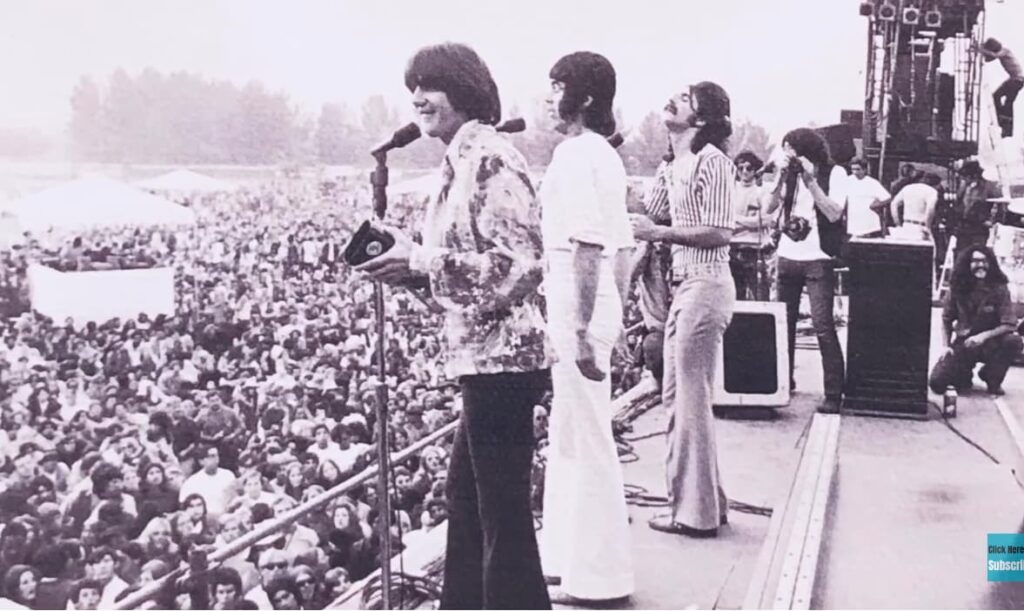
Few bands dominated the early 1970s as completely as Three Dog Night. Between 1969 and 1974, the group became one of the most successful acts in popular music, producing an astonishing run of hit singles, selling out concert venues across North America, and establishing themselves as one of the defining voices of their era.
A recent documentary revisits the remarkable story behind the band’s success and explores the factors that ultimately contributed to its decline. At the heart of the story are three lead singers: Danny Hutton, Cory Wells, and Chuck Negron. Each arrived from different backgrounds, yet together they created a vocal chemistry that set Three Dog Night apart from nearly every other rock group of the period.
The documentary traces the origins of the band through the music scene of Los Angeles and the legendary neighborhoods of Laurel Canyon. Hutton, who had already experienced modest success in the music business, envisioned an unusual concept: a group built around three lead vocalists rather than one. That vision became reality when he joined forces with Wells and Negron, whose powerful and contrasting voices formed the foundation of the band’s sound.
An important early chapter involved Beach Boys visionary Brian Wilson, who briefly worked with the group before industry pressures brought the collaboration to an end. Although that opportunity disappeared, the setback did little to slow the band’s momentum.
Three Dog Night’s greatest strength was their ability to recognize exceptional songs. Rather than relying heavily on their own songwriting, they sought material from talented writers, many of whom were relatively unknown at the time. This approach produced a remarkable string of hits including “One,” “Mama Told Me (Not to Come),” “Black and White,” and “Joy to the World.” The latter became the biggest selling single in the United States in 1971 and remains one of the most recognizable songs in rock history.
By 1972, the band had become a highly successful commercial machine. However, the same relentless schedule that fueled their success also placed enormous pressure on its members. Constant touring, recording demands, and the expectations of managers and record executives gradually took their toll. According to the documentary, several members struggled with substance abuse issues, while personal and professional tensions increasingly affected the group’s stability.
Among the most difficult chapters was Chuck Negron’s battle with heroin addiction, a struggle that would continue for years before he eventually rebuilt his life. As the decade progressed, key members departed, and by the mid 1970s the original lineup had largely dissolved.
Yet the legacy of Three Dog Night remains undeniable. Their music continues to resonate decades later, reflecting an era when great songs, distinctive voices, and extraordinary talent combined to create one of the most successful bands of the rock era. Their story is not only one of fame and achievement but also a reminder of the personal costs that can accompany life at the very top of the music industry.