
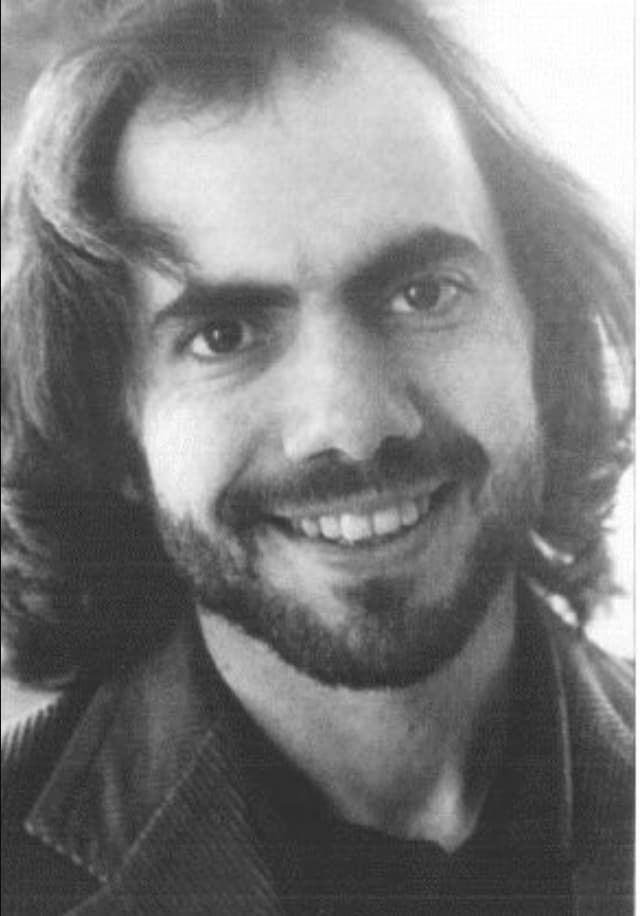
Steve Goodman’s Timeless Performance Reminds Country Music of One of Its Brightest Voices
Few songs have earned a place in American music history quite like You Never Even Call Me By My Name. Written by Steve Goodman and John Prine, the song has long been celebrated for its wit, storytelling, and affectionate parody of country music traditions. In a performance that continues to resonate decades later, Goodman delivers the song with a charm and authenticity that highlight why his legacy remains so enduring.
The recording captures Goodman at his best. Armed with little more than his guitar, quick humor, and unmistakable stage presence, he transforms a lighthearted novelty song into something far more memorable. His performance reflects not only exceptional musicianship but also a deep understanding of the culture and traditions that inspired the song.
Often referred to as the “perfect country and western song,” You Never Even Call Me By My Name cleverly embraces the classic themes associated with the genre while simultaneously poking fun at them. Goodman’s delivery balances comedy and sincerity with remarkable ease, allowing the song to entertain without ever feeling cynical. The result is a performance that celebrates country music even as it playfully examines its most familiar conventions.
The video also serves as a reminder of Goodman’s extraordinary songwriting talent. While many music fans know the song through later recordings, hearing Goodman perform his own composition offers valuable insight into the spirit in which it was created. His natural warmth and engaging personality shine through every verse, revealing an artist whose connection to audiences was rooted in genuine joy and humility.
The performance further reflects the creative partnership between Goodman and fellow songwriter John Prine. Both artists were known for their ability to find profound meaning in everyday life, combining humor, compassion, and sharp observation in their work. Their friendship and mutual respect helped shape some of the most beloved songs in American folk and country music, and this recording stands as an enduring example of that shared artistic vision.
At the same time, the video carries an emotional weight that extends beyond the song itself. Goodman’s energy, humor, and vibrant spirit are impossible to miss, making it difficult to forget that his life was cut tragically short when he passed away in 1984 at the age of 36. Watching him perform today is both uplifting and bittersweet. His talent feels timeless, yet his absence remains deeply felt.
More than a nostalgic musical moment, this performance is a testament to Steve Goodman’s lasting influence. It preserves the voice of an artist whose creativity, kindness, and remarkable songwriting continue to inspire generations, ensuring that his place in the history of American music remains secure.