
A Gentle Awakening of the Heart, Where Hope Rises Softly with the Morning Light
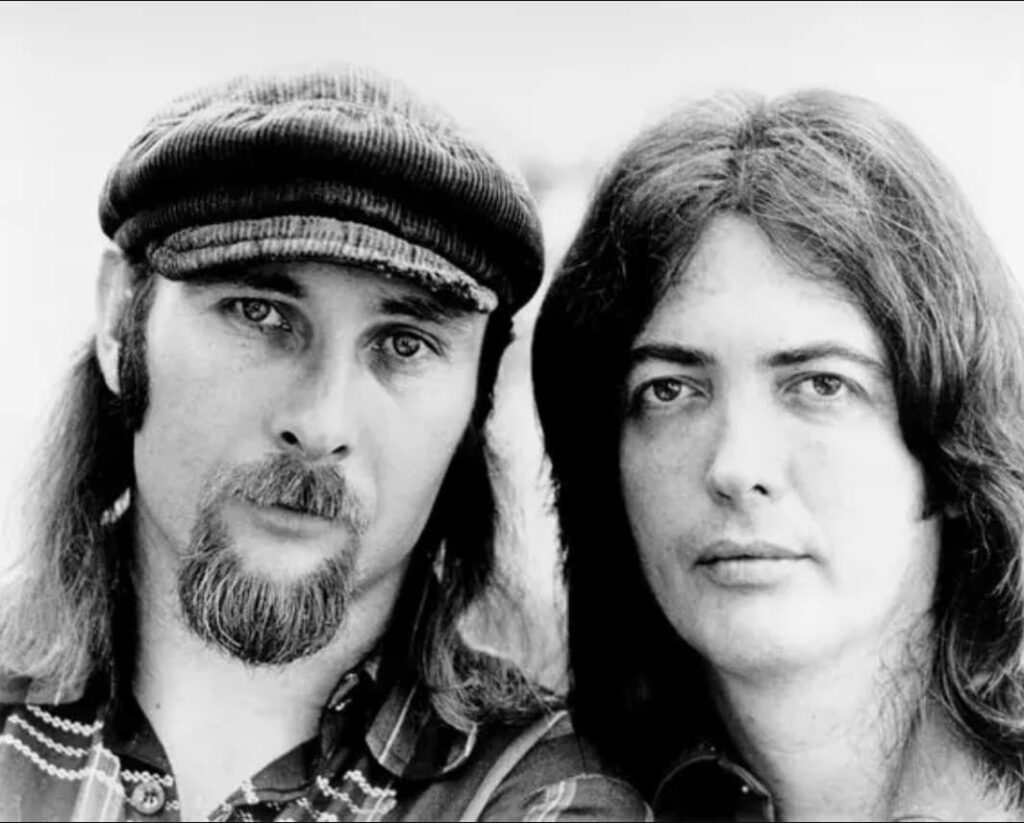
When speaking of “Sunrise”, one inevitably returns to the quiet, contemplative artistry of Dash Crofts—best known as one half of the soft rock duo Seals & Crofts. Released in 1976 as part of the album Get Closer, “Sunrise” never stormed the upper reaches of the charts like some of the duo’s earlier hits, yet it carved out something arguably more enduring: a deeply personal, almost spiritual connection with listeners. While the album itself reached No. 6 on the Billboard 200, the song lived more quietly, finding its place not through chart dominance but through emotional resonance.
By the mid-1970s, both Dash Crofts and Jim Seals were evolving—not just musically, but spiritually. Their adherence to the Baháʼí Faith began to influence their songwriting in subtle but profound ways. “Sunrise” feels like a direct extension of that inward journey. Unlike the breezy optimism of “Summer Breeze” or the polished romance of “Diamond Girl,” this composition carries a quieter gravity, a sense of reflection that seems to arrive after life’s more turbulent chapters have already unfolded.
The song itself unfolds gently, almost like the first light creeping across a still horizon. There is no urgency here—only patience. Dash Crofts’ voice, often understated yet remarkably sincere, carries the melody with a kind of fragile clarity. One gets the sense that he is not merely singing to the listener, but rather with them, sharing a moment suspended in time. The instrumentation follows suit: soft acoustic textures, restrained arrangements, and a melody that lingers rather than insists.
Lyrically, “Sunrise” speaks to renewal—not in a grand, triumphant sense, but in the quiet acknowledgment that each day offers another chance to begin again. It is a song about perspective, about learning to see light even after long darkness. There is a reflective maturity in its message, as though it understands that hope does not always arrive loudly; sometimes, it simply appears, unannounced, at the edge of morning.
Behind the song lies a broader narrative of artistic independence. By the time Get Closer was recorded, Seals & Crofts were navigating changes within the music industry and their own creative direction. The mid-70s marked a transition period—soft rock was still popular, but the cultural landscape was shifting. Disco was rising, rock was diversifying, and introspective acoustic music was gradually stepping away from the mainstream spotlight. In that context, “Sunrise” feels almost defiant in its restraint. It does not chase trends; instead, it remains firmly rooted in sincerity.
There is also something deeply human in the way the song approaches time. It does not deny hardship, nor does it romanticize it. Rather, it accepts that life moves in cycles—night inevitably gives way to day, just as sorrow eventually softens into memory. For many listeners, especially those who have witnessed the passing of decades, this message carries a quiet truth that feels both personal and universal.
In retrospect, “Sunrise” may not be the song that defines Dash Crofts’ career in terms of commercial success, but it stands as one of his most intimate artistic statements. It is a piece that reveals more with each listening, rewarding those who approach it not with expectation, but with openness.
And perhaps that is its greatest strength. “Sunrise” does not demand attention—it earns it, slowly and gently, like the morning itself.