
The Real Story Behind The Partridge Family’s Music and the Voice That Defined a Generation
When The Partridge Family debuted on television in 1970, it quickly became one of the most recognizable musical acts in popular culture. The show’s wholesome image, colorful family dynamics, and memorable songs captured the spirit of the era. Yet behind the scenes, the music that fueled its success was crafted by an impressive team of professional musicians and songwriters whose contributions often remained out of the spotlight.
One of the group’s greatest achievements came with “I Think I Love You,” which became the number one selling single of 1970 and even outsold The Beatles’ “Let It Be” that year. The song established The Partridge Family as far more than a television novelty and demonstrated the remarkable commercial power of its music.
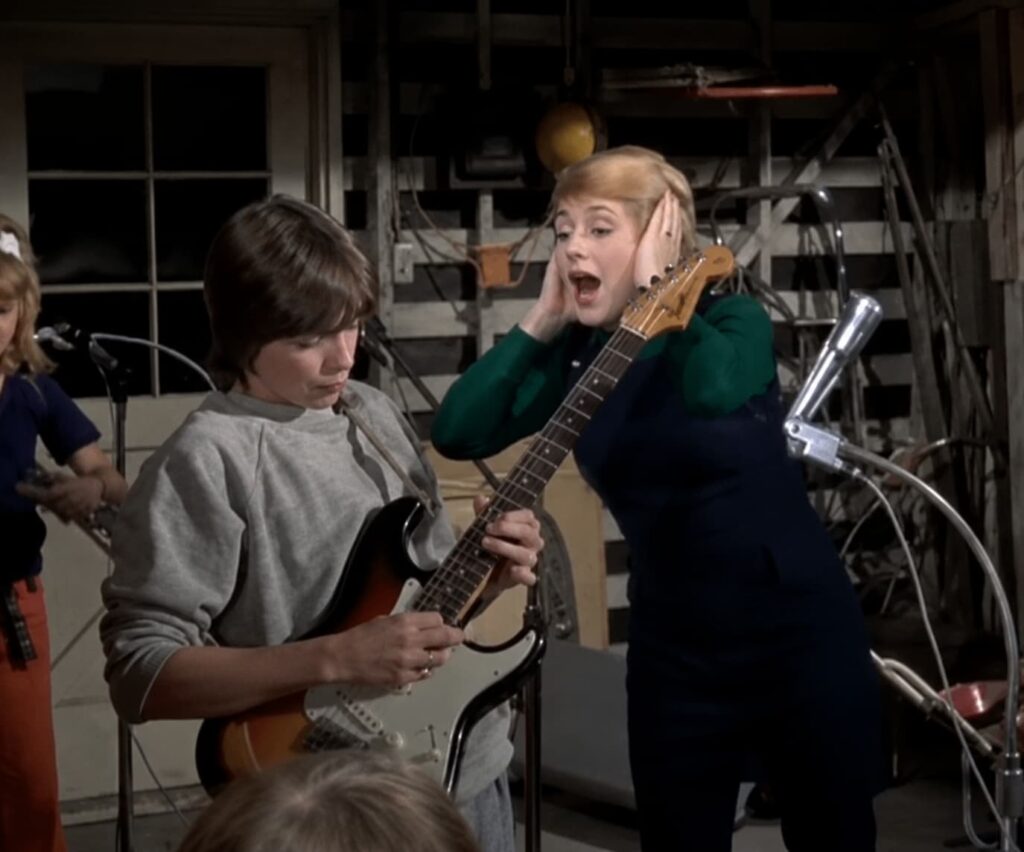
Although the cast appeared to sing and perform their own instruments on screen, the recordings followed a different formula. Only Shirley Jones and her stepson, David Cassidy, were permitted to perform vocally on the records. The remaining cast members acted and lip synced for the television series, while many of the era’s most respected session musicians provided the instrumental performances.
Among those musicians were renowned studio legends including Hal Blaine, Larry Knechtel, Joe Osborn, Louie Shelton, and Tommy Tedesco. Their talent helped create a polished sound that stood comfortably alongside the best pop recordings of the early 1970s. Official releases were credited to “The Partridge Family starring Shirley Jones featuring David Cassidy,” reflecting the central role Cassidy played in the group’s musical identity.
Equally important was the strength of the songwriting. Far from being disposable teen pop, many of the songs displayed craftsmanship, melodic sophistication, and emotional depth. Songwriter Tony Romeo was responsible for several of the group’s most enduring recordings, including “I Think I Love You,” “It’s One of Those Nights (Yes Love),” “(Point Me in the Direction of) Albuquerque,” and “Summer Days.”
At the heart of it all was David Cassidy. His distinctive voice brought character, power, and emotional resonance to the material. Many observers have argued that without Cassidy’s extraordinary vocal ability, the show and its music might never have achieved the same level of success. His performances elevated well written songs into memorable recordings that continue to be appreciated decades later.
The story of The Partridge Family is ultimately one of collaboration. Behind the television cameras stood gifted songwriters, elite session musicians, experienced producers, and a young singer whose voice became the defining sound of a cultural phenomenon. More than fifty years later, the music remains an enduring reminder that great pop records are often built on far more artistry than appearances might suggest.