
Donny Osmond’s “Puppy Love” Remains a Timeless Portrait of Young Emotion
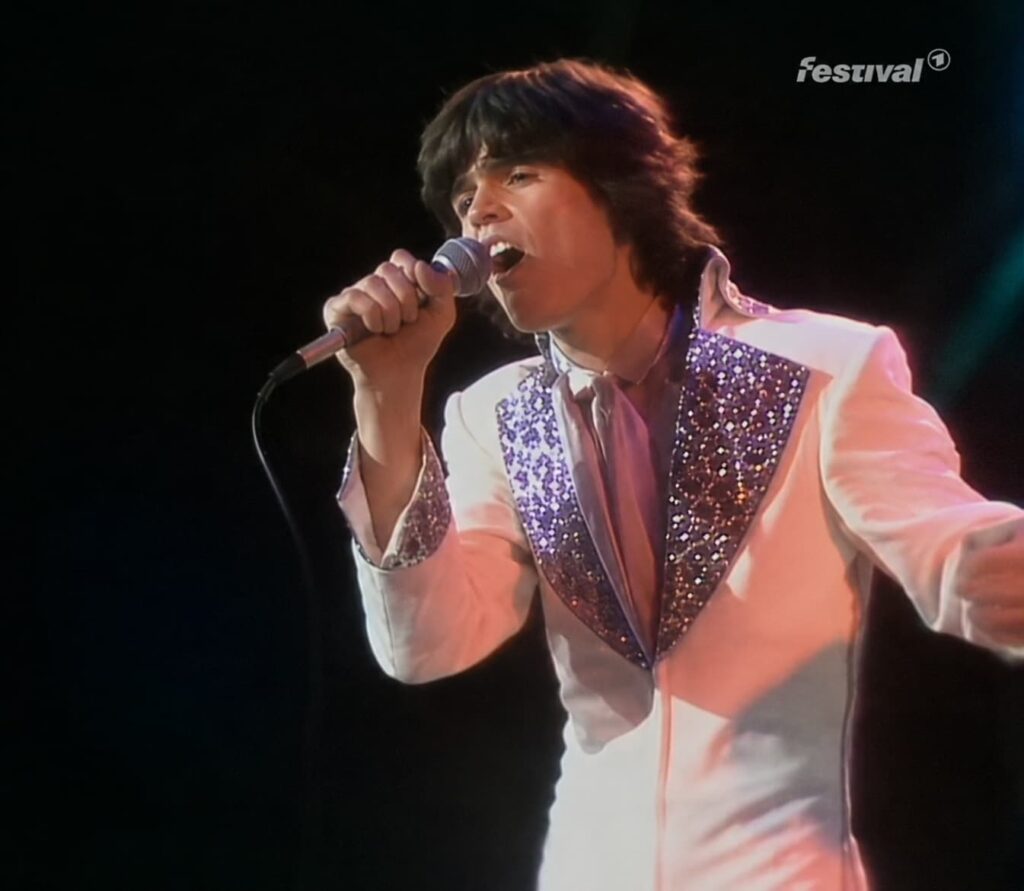
In the early 1970s, few teenage performers captured the spirit of youthful romance as convincingly as Donny Osmond. His 1972 performance of “Puppy Love” on Top of the Pops remains one of the defining moments of his career and a lasting symbol of an era when heartfelt melodies dominated popular music.
Originally written and recorded by Paul Anka, “Puppy Love” had already earned a place in pop history before Osmond introduced his own interpretation. Yet for many music fans, Donny’s version brought a different emotional depth to the song. Rather than simply singing about young heartbreak, he delivered the lyrics with a sincerity that gave the impression of genuine pain and longing.
At just fourteen years old when the single was released, Osmond possessed a rare ability to connect emotionally with a song far beyond his years. His gentle voice, expressive delivery, and natural stage presence transformed “Puppy Love” into more than a teen pop hit. It became a heartfelt portrayal of first love and the sadness that can accompany it.
The song proved to be a major success, reaching the top of the UK Singles Chart in 1972 and becoming one of the most recognizable recordings of Osmond’s career. Its popularity helped establish him as one of the leading teen idols of the decade and strengthened the remarkable success already enjoyed by the Osmond family.
More than five decades later, the performance continues to hold a special place in the story of popular music. The passage of time has only added another layer of meaning to the song. The young singer who once stood under the studio lights singing about heartbreak has since built a long and successful career in entertainment, becoming not only a respected performer but also a family man and grandfather.
For many, “Puppy Love” remains a reminder of Donny Osmond’s exceptional talent. His ability to blend innocence, vulnerability, and musical skill helped create a version of the song that continues to resonate across generations, securing its place as one of the most memorable performances of the early 1970s.