
“Show Business and Gold Records Don’t Last — Families Do”: The Story Behind the Osmonds’ Legacy
Few musical families in history created the kind of phenomenon that the The Osmonds did during the 1970s. But this video is not simply about fame, screaming fans, or hit records. It is a heartfelt portrait of how one family managed to survive decades in the entertainment industry while holding tightly to faith, loyalty, and each other.
The documentary begins by revisiting the unbelievable height of “Osmondmania.” Commentators describe the group as electrifying performers whose harmonies together created what one speaker calls “a sonic miracle.” In England, their popularity rivaled the frenzy once created by The Beatles. One unforgettable story recalls their arrival at Heathrow Airport, where fifteen thousand screaming fans overwhelmed security, even causing part of a balcony to collapse. It was proof that the Osmonds had become far more than entertainers — they were a worldwide sensation.
Yet the video quickly reveals that their rise began almost accidentally. The brothers originally traveled to California seeking an audition for Lawrence Welk, but fate intervened at Disneyland when Walt Disney himself noticed the boys in matching outfits walking through the park. That chance encounter led to television appearances and eventually a long-running connection with Andy Williams, whose show introduced the Osmonds to millions of viewers across America.
A major focus of the documentary is Alan Osmond, portrayed not just as a performer but as the driving force behind the family’s discipline and creativity. His brothers repeatedly describe him as the leader who kept everyone focused. Whether adding karate routines into live concerts or building giant productions like Stadium of Fire, Alan constantly searched for ways to make performances bigger and more exciting. One hilarious yet painful memory recalls a staged karate routine going wrong onstage, leaving brother Jay bloodied in front of thousands of fans — yet the show still continued. That story perfectly captures the Osmond work ethic: no matter what happened, the performance came first.
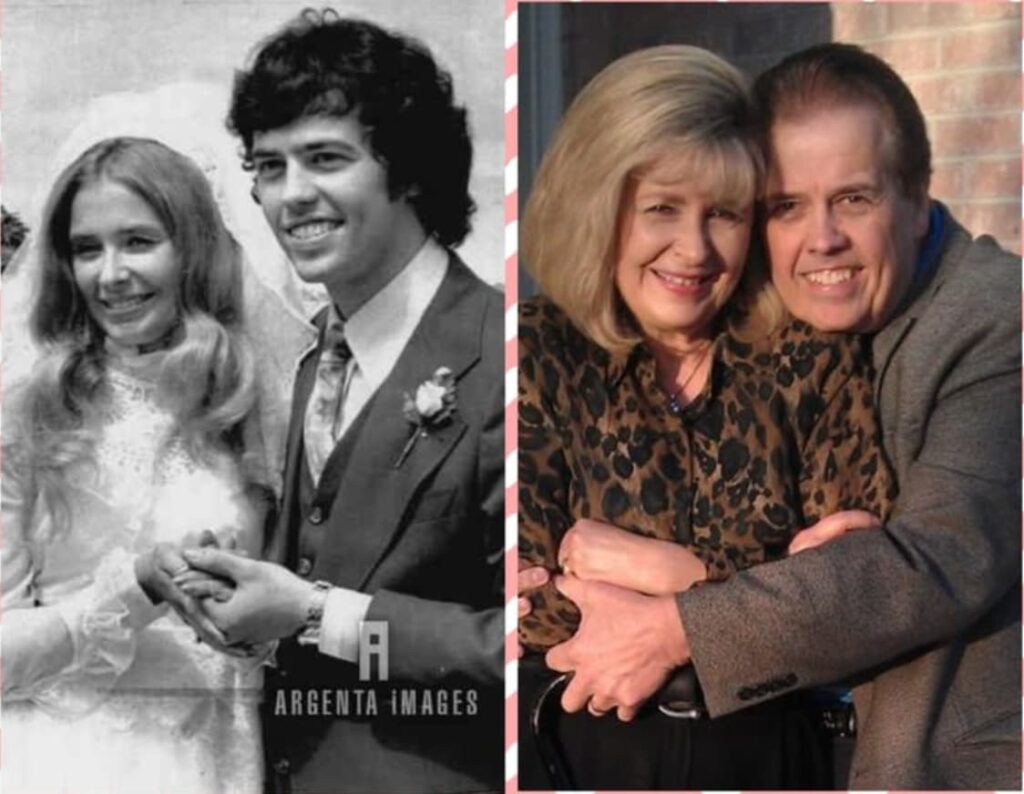
But the emotional center of the video lies in Alan’s personal life and values. His marriage to Suzanne Osmond is presented as the foundation that kept him grounded despite worldwide fame. Family members repeatedly emphasize that while Alan brought the energy and ambition, Suzanne brought balance, stability, and strength. Together they raised eight sons and built a life centered not around Hollywood glamour, but around community and faith in Utah.
The documentary also highlights how the Osmonds transformed Utah’s entertainment industry. Alan insisted on moving television production from Los Angeles to Utah for the “Donny & Marie” show, helping create opportunities for countless local artists and technicians. Many interviewees openly state that their careers would not exist without the risks Alan took.
Perhaps the most inspiring section focuses on Alan’s battle with Multiple Sclerosis. Even as the disease weakened him physically, friends and family describe his spirit as unbreakable. His famous attitude — “I have MS, but MS doesn’t have me” — becomes the emotional message of the entire film. Through illness, fame, setbacks, and success, Alan continued smiling, creating, and encouraging others.
By the end, the documentary makes one thing clear: the Osmonds’ true achievement was never simply music. Gold records fade, television shows end, and fame eventually passes. But the love, resilience, and unity of a family can leave a legacy far greater than celebrity ever could.