
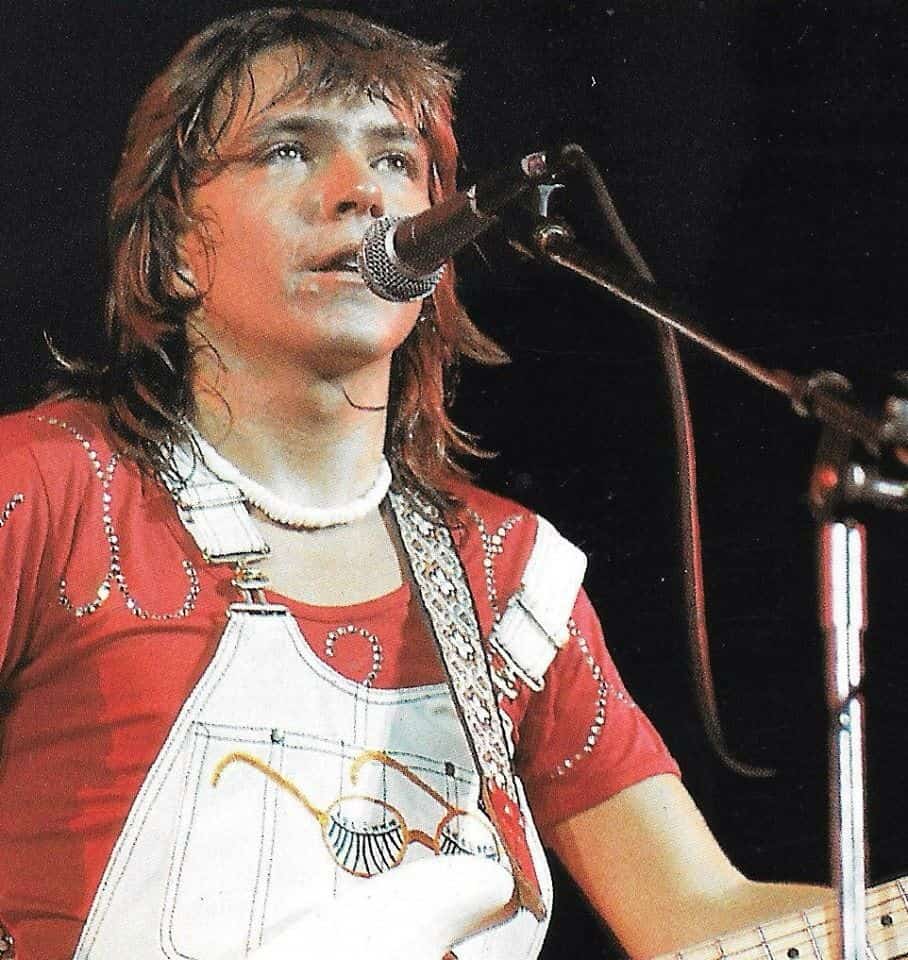
A television stage became a time machine — and David Cassidy turned a tender pop standard into a memory wrapped in spotlight, loneliness, and fading teenage dreams.
When David Cassidy performed “Cherish” on The Midnight Special, it felt less like a simple television appearance and more like a fragile moment suspended between eras. By then, Cassidy was no longer merely the smiling teen idol from The Partridge Family years. The screaming crowds were still there, the face was still instantly recognizable, but something in his performances had begun to change. There was a deeper weariness in his eyes, a gentleness in his phrasing, and a sense that he understood fame could disappear just as quickly as it arrived.
Originally written and recorded by The Association in 1966, “Cherish” had already become one of the defining soft-pop ballads of the decade long before Cassidy touched it. The original version reached No. 1 on the Billboard Hot 100 in September 1966 and stayed there for three weeks, becoming one of the group’s signature recordings. Written by Terry Kirkman, the song was never simply about romance. Beneath its delicate harmonies and polished arrangement was the quiet ache of loving someone who may never fully belong to you. It was about admiration mixed with restraint — a kind of emotional honesty that became increasingly rare as pop music grew louder and more theatrical in the 1970s.
By the time David Cassidy chose to perform the song during his appearances connected to The Midnight Special, its meaning had subtly evolved. Coming from Cassidy, “Cherish” sounded almost autobiographical. Audiences who had followed him through the hysteria of the early 1970s could sense the contrast immediately. Here was a performer once surrounded by deafening fan mania, now delivering a song built on vulnerability rather than excitement. That contrast gave the performance unusual emotional weight.
What made Cassidy fascinating was that he spent much of his career trying to escape the very image that made him famous. During the peak of The Partridge Family, he was marketed as the ultimate teen heartthrob — posters on bedroom walls, magazine covers everywhere, sold-out concerts filled with screaming fans. Yet privately, Cassidy often spoke about wanting artistic credibility beyond manufactured pop stardom. He admired musicians who were taken seriously as songwriters and performers, and he struggled with being viewed only as a television celebrity.
That tension could often be heard in his live performances. On stage, especially in more intimate television settings, he sang with more emotional nuance than many critics gave him credit for. His version of “Cherish” was not grandiose or overly dramatic. Instead, it leaned into softness. He allowed pauses to linger. He seemed less interested in impressing viewers than in communicating something personal. In retrospect, that restraint is precisely what gives the performance its enduring power.
The Midnight Special itself occupies a deeply nostalgic corner of music history. Premiering in 1972, the late-night television series became a vital showcase for artists during a transformative period in popular music. Unlike tightly controlled variety programs of the previous decade, the show often captured performers in a looser, more authentic atmosphere. Rock bands, soft-pop singers, soul artists, and country performers all shared the same stage. For many viewers, these broadcasts became permanent emotional landmarks — memories attached to particular years, living rooms, friendships, and fleeting moments of youth.
Watching Cassidy perform there now carries an entirely different emotional resonance. Time changes songs. It also changes the people singing them. What may once have seemed like a polished television appearance now feels almost haunting. There is something profoundly moving about seeing a performer associated with enormous fame standing beneath soft studio lights singing about tenderness, longing, and emotional devotion.
The lyrics of “Cherish” revolve around preserving feelings that may not last forever. Ironically, that theme mirrors the trajectory of Cassidy’s own public life. Fame fades. Posters come down. Television trends vanish. But certain performances remain emotionally untouched by time because they capture something human and recognizable beneath the celebrity image.
And perhaps that is why this performance continues to resonate decades later. Not because it was flashy. Not because it reinvented the song. But because David Cassidy allowed himself to sound sincere at a moment when sincerity still mattered deeply in popular music.
Listening now, one can hear more than nostalgia. There is also quiet melancholy — the sound of an artist trying to hold onto authenticity while standing inside the machinery of fame. And in that sense, “Cherish” became more than an old pop standard. In Cassidy’s hands, it became a reflection on memory itself: delicate, bittersweet, and impossible to fully reclaim once time has moved on.