
A Whimsical Invitation to the Sunnier Days of Youth: Finding Joy and Resilience in the Upbeat Melancholy of a 1967 Classic
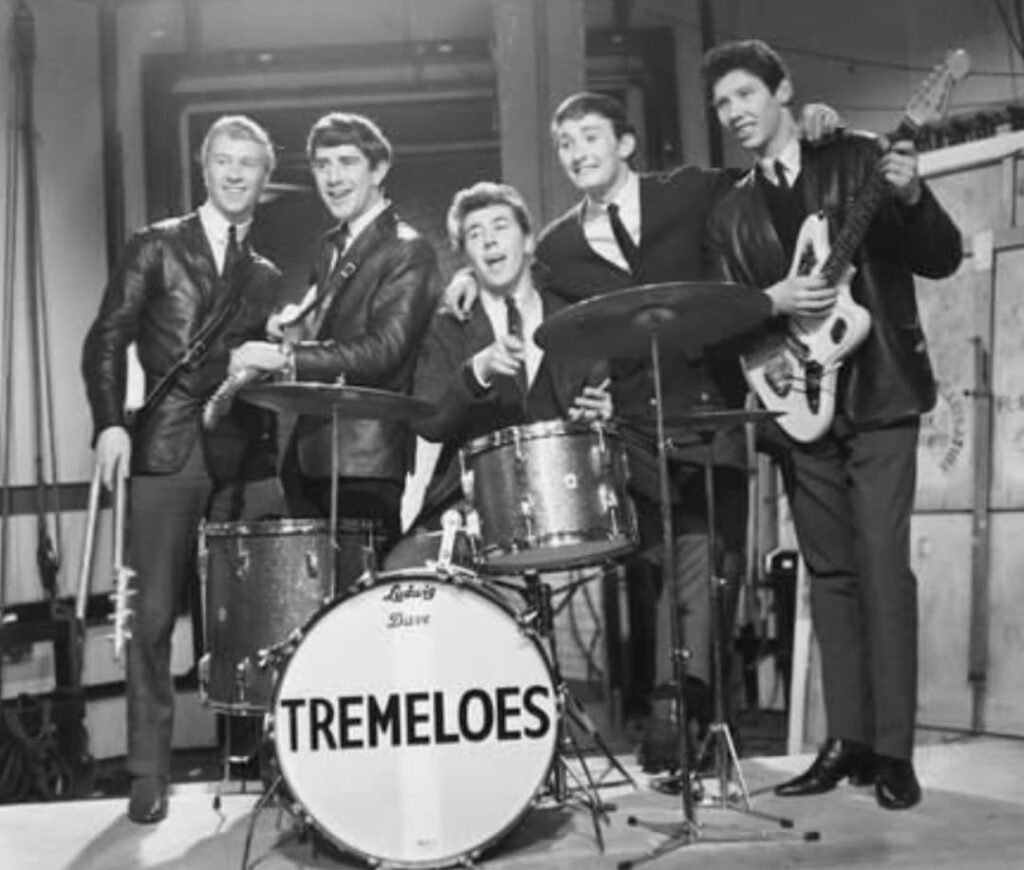
When we cast our minds back to the vibrant landscape of 1967, it isn’t just the “Summer of Love” or the psychedelic swirls of London that emerge; it is the specific, crystalline sound of a 12-string guitar and a harmony that felt like a warm embrace. The Tremeloes, having recently transitioned from being Brian Poole’s backing band to a powerhouse in their own right, captured a very particular British magic with “Here Comes My Baby.” Released in January 1967, the song didn’t just climb the charts—it soared, peaking at No. 4 on the UK Singles Chart and breaking into the Top 20 of the US Billboard Hot 100. It was the definitive sound of an era caught between the polite melodies of the early sixties and the experimental fervor of the decade’s end.
At first listen, “Here Comes My Baby” is a masterclass in infectious joy. The foot-tapping rhythm, the bright handclaps, and those soaring, quintessentially British vocal harmonies suggest a celebration. Yet, for those of us who have lived through the many seasons of the heart, the “story behind the song” reveals a much more poignant layer. It was penned by none other than a young Cat Stevens. Before he became the introspective folk philosopher we know today, Stevens wrote this track with a clever, bittersweet twist. The lyrics describe a man standing on a street corner, watching the woman he loves walk by—not into his arms, but into the arms of another.
The brilliance of The Tremeloes’ rendition lies in this paradox: the music is a carnival, but the soul of the song is a sigh. It captures that stoic, “keep calm and carry on” attitude that defined a generation. It acknowledges the sting of unrequited love but chooses to meet it with a melody so buoyant that you can’t help but smile through the memory of the ache. In many ways, it is a song about the resilience of the human spirit. It reminds us of those evenings in our youth when we saw a flame flicker out, felt the world might end, and yet found ourselves whistling a tune the very next morning.
The production on the single, featured on the album “Here Comes The Tremeloes,” remains a technical marvel of its time. The arrangement is dense yet breathable, anchored by the lead vocals of Chip Hawkes, whose delivery manages to be both soulful and delightfully casual. When that chorus hits, bolstered by the rest of the band—Rick West, Alan Blakley, and Dave Munden—it creates a wall of sound that feels less like a studio recording and more like a live memory playing out in the theater of the mind.
As the years have turned into decades, “Here Comes My Baby” has transitioned from a pop hit into a vessel for nostalgia. It represents a time when music felt tangible—when you could feel the vibrations of the bass in the floorboards of a dance hall or hear the slight crackle of the vinyl as the needle found its groove. It evokes the smell of old leather car seats, the crisp air of a spring morning long ago, and the bittersweet realization that while people and places fade, a perfect melody is permanent.
To listen to this track today is to revisit a version of ourselves that was perhaps more certain of the future, even if we were uncertain in love. It is a sophisticated piece of pop craftsmanship that refuses to be cynical. It invites us to remember the “babies” who walked by our own street corners, the dreams that shifted shape, and the enduring power of a three-minute song to turn back the clock, if only for a moment. The Tremeloes didn’t just give us a hit; they gave us a timeless companion for our most reflective hours.