
When the Ground Shifts, the Heart Awakens: A Song of Sudden Love and Inner Tremors
Released in 1971 as part of the landmark album Tapestry, “I Feel the Earth Move” by Carole King stands as one of the most vibrant opening statements in popular music history. The song was issued as a double A-side single with “It’s Too Late,” and together they reached No. 1 on the Billboard Hot 100 in June 1971—a remarkable achievement that confirmed King’s transition from behind-the-scenes songwriter to a defining voice of her era. While “It’s Too Late” carried a tone of quiet resignation, “I Feel the Earth Move” burst forth with urgency and emotional immediacy, setting the tone for an album that would go on to become one of the best-selling records of all time.
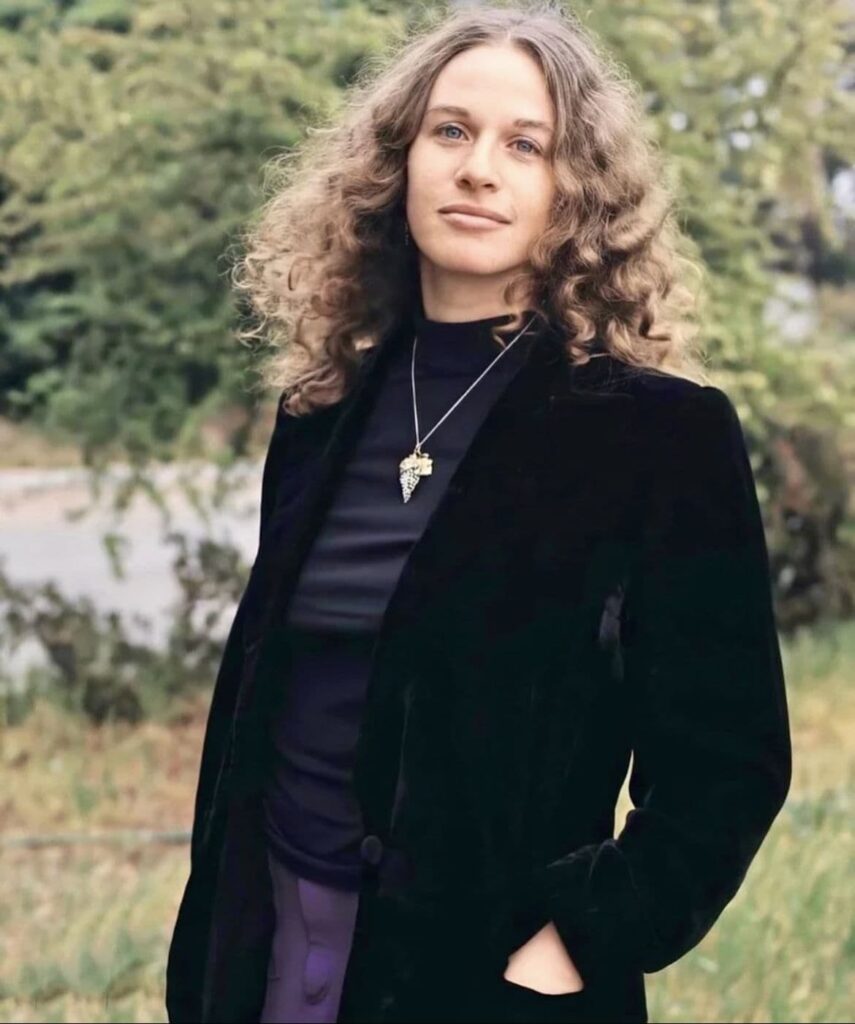
There is something unmistakably alive in the opening piano chords of “I Feel the Earth Move.” It feels less like a performance and more like a spontaneous confession—one that rises from deep within and cannot be held back. Carole King, who had already penned countless hits for others throughout the 1960s, finally stepped into the spotlight with a voice that was unpolished yet profoundly sincere. This authenticity became the very heartbeat of Tapestry, and nowhere is it more evident than in this song.
The story behind the track is rooted in the personal and artistic transformation of Carole King herself. Having moved to Los Angeles after years in the Brill Building songwriting scene in New York, she found herself surrounded by a circle of musicians who encouraged her to perform her own material. That environment—creative, supportive, and deeply personal—allowed her to tap into emotions that were previously filtered through other artists’ voices. “I Feel the Earth Move” emerged from that newfound freedom, capturing the exhilarating and almost overwhelming sensation of falling in love again, when emotions are so intense they seem to shake the very ground beneath your feet.
Lyrically, the song speaks in simple yet evocative language. There is no elaborate storytelling, no poetic abstraction—just a direct expression of feeling. And perhaps that is why it resonates so deeply. Lines about trembling, quaking, and losing control mirror not only the excitement of romance but also the vulnerability that comes with it. The “earth moving” becomes a metaphor for those rare moments in life when something—or someone—enters and shifts your entire emotional landscape. It is both thrilling and unsettling, a reminder that love has the power to unbalance even the most grounded soul.
Musically, the track leans into a rhythmic groove that feels almost physical. The piano drives the song forward with a percussive insistence, while the subtle interplay of bass and drums adds a sense of motion, like a heartbeat accelerating. Unlike many polished productions of its time, “I Feel the Earth Move” retains a raw, almost live quality. You can hear the human touch in every note, every slight imperfection—elements that give the song its enduring warmth.
What makes this recording particularly enduring is how it captures a moment in time without ever feeling dated. It belongs unmistakably to the early 1970s, yet its emotional core remains universal. Whether heard on a vinyl record decades ago or rediscovered today, the song carries the same spark—the same sense of something awakening from within.
In the broader context of Tapestry, “I Feel the Earth Move” serves as an opening declaration: a statement that this is not just a collection of songs, but a deeply personal journey. And perhaps that is why it continues to hold such a special place in the hearts of listeners. It reminds us of those fleeting yet unforgettable moments when life feels heightened, when emotions run just a little deeper, and when, for a brief instant, it truly feels as though the world beneath us has begun to shift.