
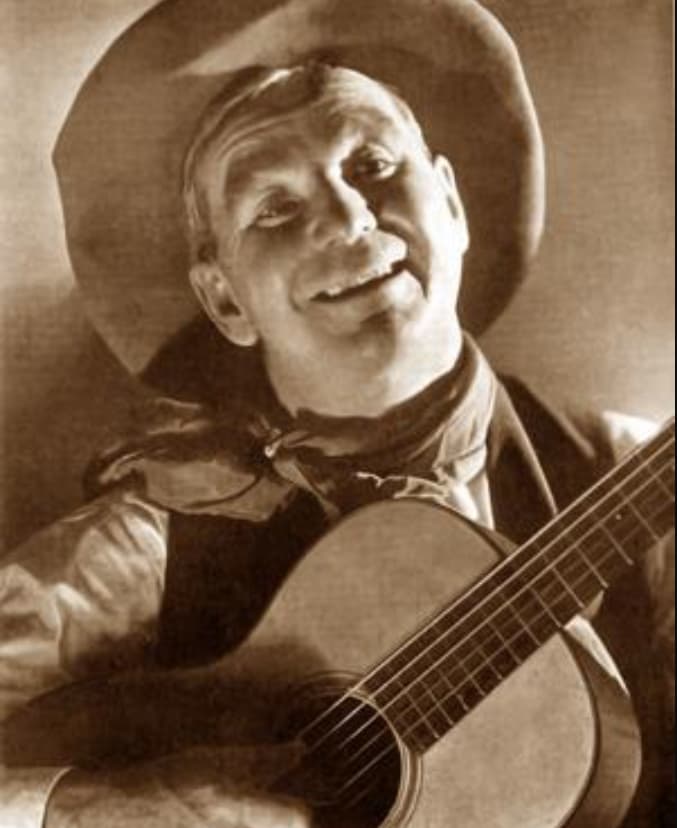
A Hobo’s Dream: Harry McClintock’s “Big Rock Candy Mountain” and the Illusion of Paradise
“Big Rock Candy Mountain,” a whimsical folk song popularized by Harry McClintock, paints a vivid picture of a hobo’s paradise, a land of milk and honey where life’s hardships simply melt away. While never charting on the Billboard Hot 100 (as popular music charts as we know them today weren’t firmly established during its initial widespread popularity), the song resonated deeply with audiences during the early 20th century, particularly during the Great Depression. Its enduring legacy has cemented its place in the American folk music canon.
Harry “Haywire Mac” McClintock, a colorful character himself, wasn’t just a singer; he was a storyteller, a rambler, a genuine hobo who lived the life he sang about. Born in 1861, McClintock experienced the hardships of itinerant life firsthand. He traveled the rails, worked odd jobs, and witnessed the struggles of the working class. This authentic experience infused his music with a raw honesty that resonated with audiences. “Big Rock Candy Mountain,” while fantastical, wasn’t just a silly ditty; it was a reflection of the dreams and desires of those living on the fringes of society, a yearning for respite from the harsh realities of their lives.
The song’s origins are somewhat shrouded in mystery. While McClintock popularized it, the song’s roots likely lie in earlier folk traditions. Some scholars suggest it may have evolved from older ballads and hobo songs, passed down orally through generations of wanderers. McClintock himself claimed to have written the song, though this is debated. Regardless of its exact origins, McClintock’s rendition became the definitive version, largely due to his 1928 recording for the Victor Talking Machine Company. This recording, with its simple yet catchy melody and McClintock’s distinctive, slightly raspy vocals, brought the song to a wider audience.
“Big Rock Candy Mountain” isn’t just about a place; it’s about an idea. It’s a symbol of hope, a dream of a world free from hardship and suffering. In this mythical land, the sun shines bright, the rivers flow with lemonade, and the trees bear fruit year-round. There are no workdays, no bills to pay, and no worries to bear. The “big rock candy mountain” itself, a towering peak made of pure, sweet candy, represents the ultimate indulgence, a symbol of the carefree life the hobos craved. The imagery is deliberately exaggerated, almost cartoonish, reflecting the escapist nature of the dream. It’s a world where the “bums” and “hobos” are kings, where the traditional social hierarchies are overturned, and where everyone can indulge in the simple pleasures of life.
For audiences during the Great Depression, the song offered a much-needed escape from the harsh realities of their lives. Unemployment, poverty, and hunger were rampant, and the dream of a better life seemed increasingly distant. “Big Rock Candy Mountain,” with its whimsical vision of paradise, provided a temporary respite from these anxieties. It allowed listeners to imagine a world where their troubles were over, a world where they could finally relax and enjoy life. The song’s popularity during this period speaks to the power of music to provide comfort and hope in times of hardship. It’s a testament to the enduring human need for escapism and the enduring appeal of the dream of a better life.
Even today, “Big Rock Candy Mountain” continues to resonate with audiences. Its catchy melody and whimsical lyrics make it a favorite among children, while its historical significance and nostalgic appeal make it a cherished piece of Americana for older generations. The song serves as a reminder of a bygone era, a time when hobo culture was a significant part of the American landscape. It also speaks to the universal human desire for a simpler, happier life, a dream that transcends time and social class. So, the next time you hear the familiar strains of “Big Rock Candy Mountain,” take a moment to appreciate its deeper meaning. It’s more than just a children’s song; it’s a window into the dreams and aspirations of a generation struggling to survive, a testament to the power of hope, and a reminder that even in the darkest of times, the human spirit can still find a reason to dream.