
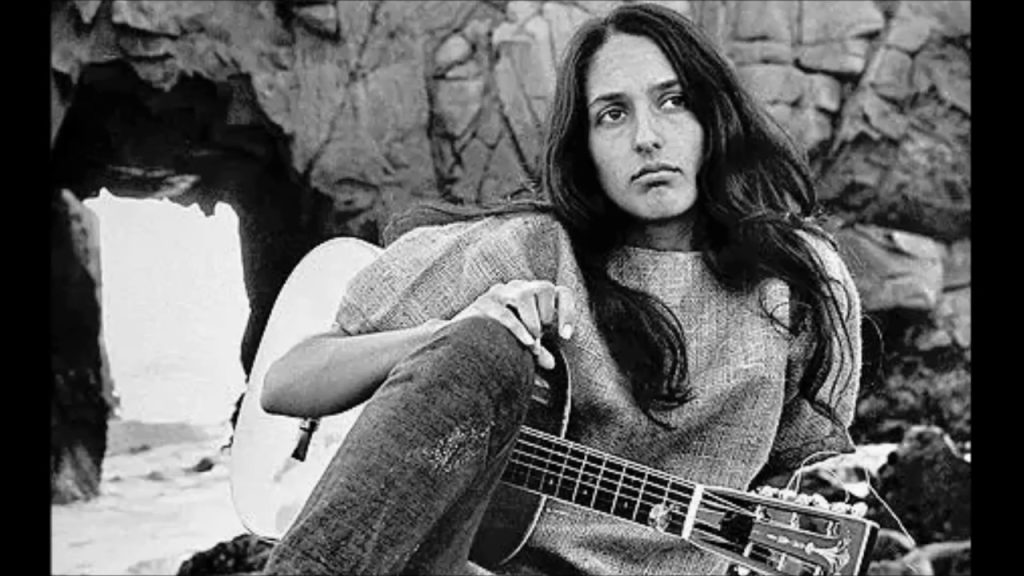
Diamonds and Rust Remains Joan Baez’s Timeless Reflection on Love, Memory, and Heartbreak
Few songs capture the lingering emotions of a lost love as honestly as Joan Baez’s Diamonds and Rust. More than five decades after its release, the song continues to stand as one of the defining works of American folk music, admired for its poetic storytelling, emotional honesty, and unforgettable vocal performance.
The opening line, “I’ll be damned, here comes your ghost again,” is often celebrated as one of the most striking introductions ever written for a song. From the very first words, Baez invites listeners into a deeply personal journey where memories arrive unexpectedly, carrying both beauty and pain. Her voice, clear, expressive, and powerful, gives every lyric an emotional weight that has helped the song endure across generations.
Written in 1975, Diamonds and Rust is widely understood to reflect Joan Baez’s relationship with Bob Dylan. The inspiration came after Dylan unexpectedly called her roughly ten years after the end of their romance. That conversation awakened memories of a relationship that had shaped an important chapter of both artists’ lives. Rather than expressing bitterness, Baez chose reflection, presenting the story with remarkable honesty and compassion.
One of the song’s most memorable lines, “The Madonna was yours for free,” demonstrates Baez’s gift for combining vivid imagery with emotional depth. Her writing has often been praised for its elegance and sincerity. The lyrics reveal someone capable of seeing another person’s flaws without reducing them to those flaws. Instead of judgment, the song offers understanding, acceptance, and the recognition that love can remain meaningful even after it has ended.
The arrangement is equally important to the song’s lasting appeal. The delicate Spanish guitar, the rich folk atmosphere, and Baez’s unmistakable voice create a musical landscape that perfectly supports the story. Every element works together to convey nostalgia, affection, disappointment, and quiet gratitude for experiences that helped shape a life.
For many people, Diamonds and Rust speaks to a universal truth. Love may fade, relationships may end, but certain memories never truly disappear. They return unexpectedly, bringing with them moments of joy, regret, tenderness, and wisdom. Those experiences, however painful they once seemed, become part of the richness of life.
Today, Diamonds and Rust remains one of Joan Baez’s greatest achievements and one of the most respected songs in the American folk tradition. Its emotional sincerity, literary quality, and timeless message continue to remind audiences that the deepest songs are often those willing to embrace both the brilliance of diamonds and the quiet sorrow of rust.